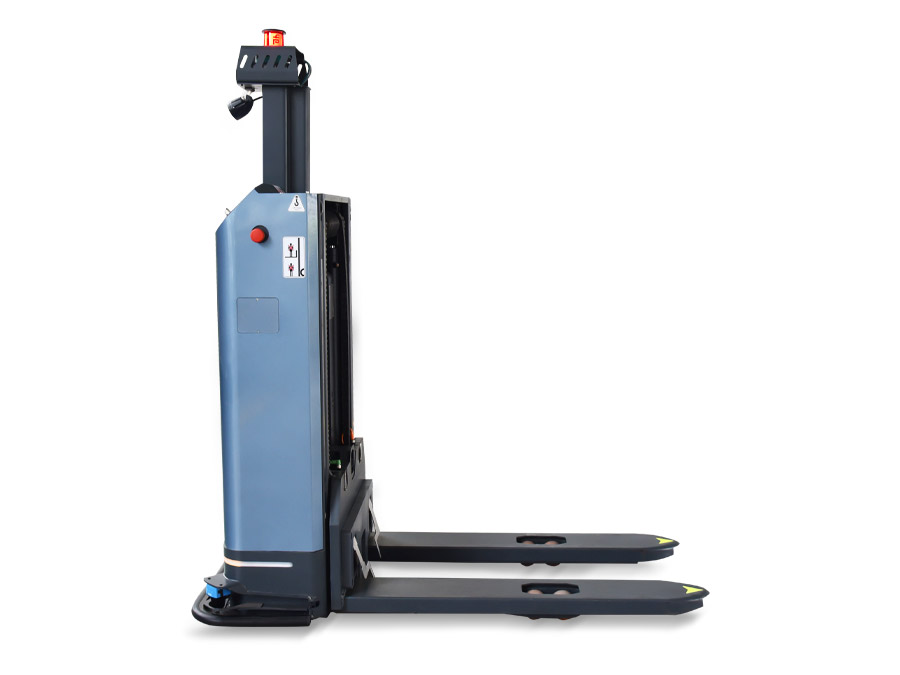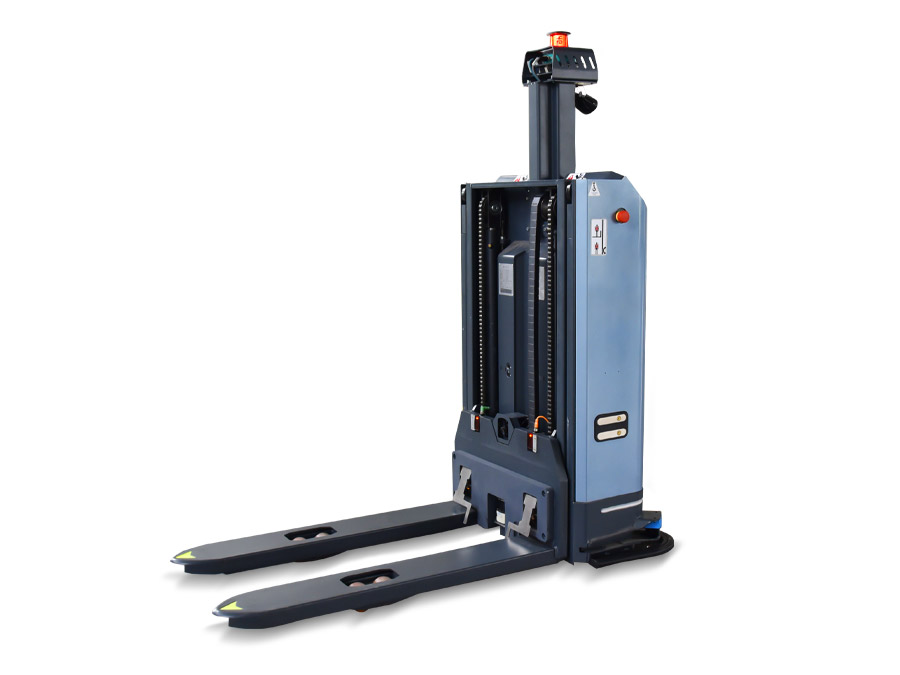


The goal of transforming traditional manufacturing enterprise factories is to create smart factories, which are production technologies that enterprises must have in the future. Mobile transport robots, AGV forklifts, have evolved from simply moving goods to designated locations to incorporating technology such as big data, the Internet of Things, and cloud computing throughout product design, making AGV forklifts multifunctional new intelligent industrial equipment with real-time sensing, multiple obstacle avoidance, intelligent decision-making, and automatic execution. Currently, AGV forklifts have been applied in various fields, becoming an indispensable tool for logistics handling. Automatic navigation and automated forklifts, as key components of industrial intelligence upgrades, are increasingly used by industrial enterprises in warehousing, production, services, and even the core business processes of logistics and transportation.
When selecting an AGV forklift, although the types and configurations of forklifts have been introduced previously, the selection is a complex process due to various factors such as different usage environments, workload, size of the goods, lifting height, aisle width, and load capacity. The following points summarize the considerations (for reference only).
I. Matters to Pay Attention to When Selecting an AGV Forklift
1. Layout diagram of goods on-site (if not available, a site measurement should be performed) and AGV forklift operating paths;
2. Frequency of picking up goods and forklift usage time (whether a backup battery is needed);
3. Whether automatic charging is required;
4. Use environment—confirm if the ground is flat, if there are oil stains, the installation position of reflective panels, and whether there are people on the AGV operating route;
5. Whether there are specific requirements for placing and picking up goods.
II. Software-Related Matters for AGV Forklifts
1. Whether a warehouse management system is needed (if a system already exists, ports can be developed to connect with the AGV forklift system, provided by Lingniao);
2. Whether automatic scanning and input, wireless calling, and distinguishing goods on-site are required;
3. Whether the AGV passes through automatic doors in the workshop or elevators between floors;
4. Whether additional functional auxiliary features need to be installed.
III. Whether the exterior design is user-friendly:
Compared to square AGV vehicles with sharp edges, AGV vehicles with rounded front and back designs are more user-friendly and can to some extent avoid catching on suddenly rushing employees or other obstacles (square vehicles with sharp edges may catch on other items, such as clothing).
IV. Alarm and emergency stop devices:
When an unmanned AGV encounters an abnormal situation, it will issue an alarm so that staff can immediately reach the site to solve the issue. If an AGV faces a sudden abnormal situation that requires an emergency stop, pressing the emergency stop device can achieve an immediate halt.